Five books on money, cities, entrepreneurship and exponential change, newest first.
Draft cover
Writing now
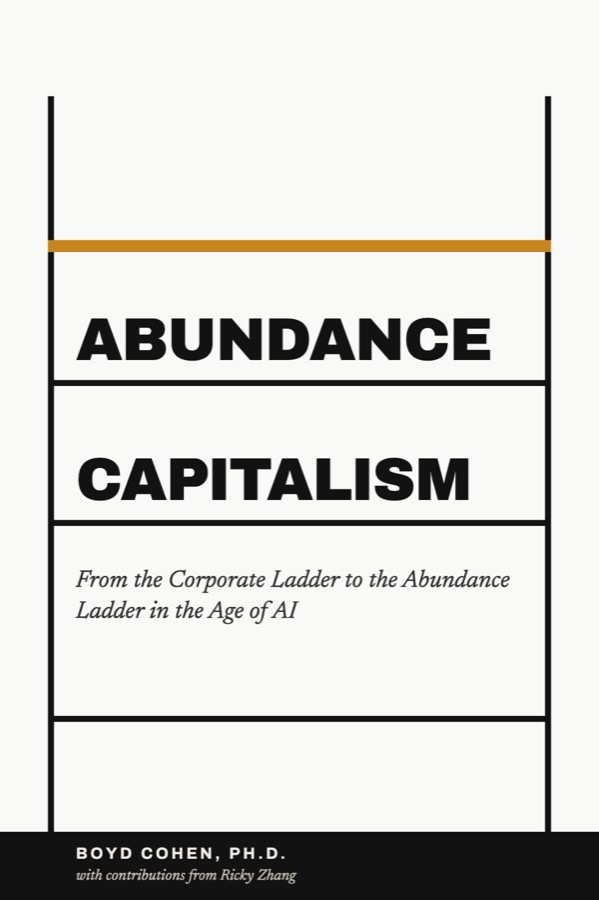
Abundance Capitalism
From the Corporate Ladder to the Abundance Ladder in the Age of AI
With contributions from Ricky Zhang
How exponential technologies, longevity and deflation make abundance possible, and how people climb a new kind of ladder to share in it. The book covers sound money and careers built on the Abundance Ladder, and asks how abundance reaches people who do not own the machines.
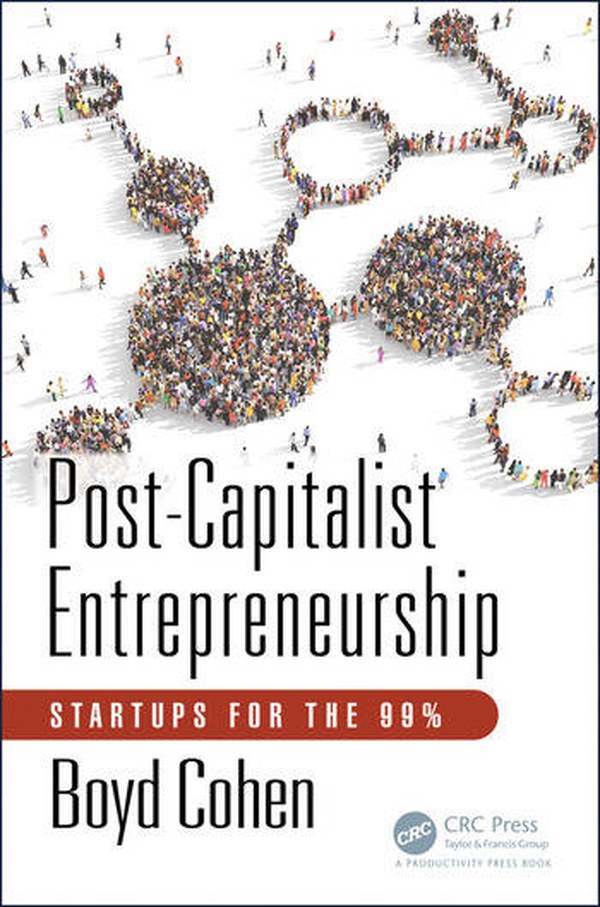
Post-Capitalist Entrepreneurship: Startups for the 99% looks at what a post-capitalist society would mean for entrepreneurship, and questions common assumptions about how startups form and what role, if any, startup investors would play. Cohen follows emerging examples of post-capitalist entrepreneurship, including platform cooperatives, alternative currencies such as local money, cryptocurrency and time banking, and blockchain-enabled distributed autonomous organizations (DAOs). It is written for entrepreneurs, investors and policymakers who want to understand new forms of economic activity, business models beyond venture capital, and how local governments might reshape entrepreneurship policy.
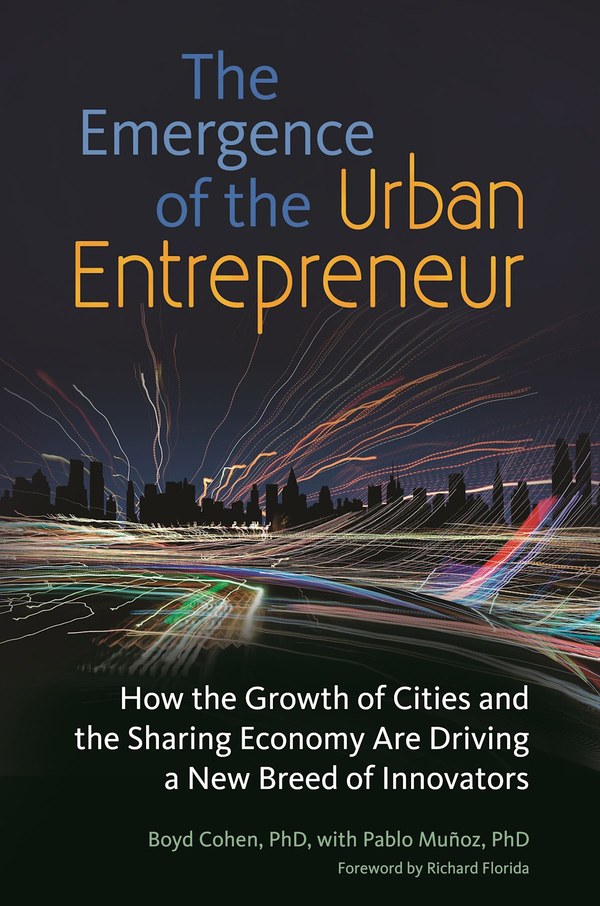
How the Growth of Cities and the Sharing Economy Are Driving a New Breed of Innovators
With Pablo Muñoz. Foreword by Richard Florida.
Boyd Cohen and Pablo Muñoz, with a foreword by Richard Florida, examine entrepreneurship and innovation as a primarily urban phenomenon. As cities grow and collaboration and the sharing economy spread, they describe three forms of “urbanpreneurship”: technology startups based in cities rather than suburban tech parks, makers and on-demand service providers, and civic entrepreneurship aimed at the challenges growing cities face. The book discusses how these trends attract innovators, how entrepreneurs can use the opportunities urban settings offer, and what large and small cities can do to encourage more urbanpreneurship.
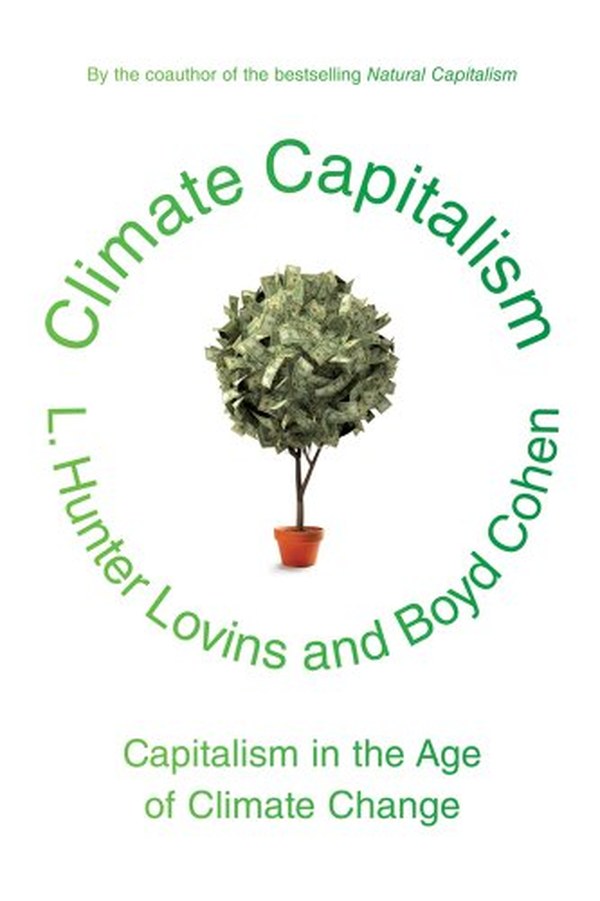
Climate Capitalism: Capitalism in the Age of Climate Change, by L. Hunter Lovins and Boyd Cohen, argues that efficiency, innovation, renewable energy, carbon markets and new technologies are both profitable and practical in a carbon-constrained economy, whether or not one accepts the climate science. Drawing on hundreds of case studies of corporations, small businesses, NGOs and municipalities, the authors survey opportunities in energy, construction, transportation and agriculture, and offer a roadmap toward a low-carbon energy economy they say can deliver jobs, growth and a cooler planet.